Don't Panic! What Your Check Engine Light Really Means
That little orange or yellow light on your dashboard – the one that looks like a miniature engine – is enough to send a shiver down any car owner's spine. It's often accompanied by thoughts of expensive repairs and being stranded. But what does your check engine light *really* mean? And more importantly, what will it cost to fix?
At AVOX Performance in Northeast Philadelphia, we understand these concerns. We believe in transparency, which is why we physically show you every fault and provide fair, upfront quotes. Ignoring that light can lead to bigger problems and bigger bills, so let’s dive into what’s happening under the hood.
The Check Engine Light: Your Car's Early Warning System
Think of your check engine light (CEL), also known as the Malfunction Indicator Lamp (MIL), as your car's way of telling you, "Hey, something isn't quite right here!" It’s connected to your vehicle's On-Board Diagnostics (OBD-II) system, which monitors a vast array of sensors throughout your engine and emissions system. When one of these sensors detects an out-of-range reading or a malfunction, it triggers the CEL and stores a "diagnostic trouble code" (DTC) in your car's computer.
**What it *doesn't* mean:** It doesn't necessarily mean your engine is about to explode. Often, it's an indicator of a relatively minor issue. However, ignoring it can turn a minor issue into a major, costly repair.
Is It Serious? Steady vs. Flashing Light
The way your check engine light illuminates can give you a clue about the urgency of the problem:
- Steady Light: A steady check engine light usually indicates a non-emergency issue. You should still get it checked out as soon as possible, but it typically means your car is safe to drive for a short period. Your fuel economy might be suffering, or your emissions might be elevated.
- Flashing Light: This is a much more serious warning! A flashing check engine light means there's a severe problem, often a misfire, that could cause catastrophic damage to your catalytic converter. If your light is flashing, pull over safely as soon as you can and call for assistance. Continuing to drive could lead to thousands of dollars in repairs.
Common Causes for Your Check Engine Light to Come On
Many different issues can trigger your check engine light. Here are some of the most common culprits we see during check engine light diagnostics in Philadelphia:
- Loose or Faulty Gas Cap: Believe it or not, this is one of the most frequent (and easiest to fix!) reasons. A loose or damaged gas cap can allow fuel vapors to escape, triggering an evaporative emissions (EVAP) system fault.
- Oxygen Sensor Malfunction: The O2 sensor measures the unburned oxygen in your exhaust, helping your car's computer adjust the air-fuel mixture. A bad sensor can hurt fuel economy and increase emissions.
- Catalytic Converter Failure: This is a more serious (and expensive) one. The catalytic converter reduces harmful exhaust gases. If it fails, your car will struggle with emissions and performance. Often, another issue (like consistent misfires) leads to catalytic converter damage.
- Spark Plug or Ignition Coil Issues: Spark plugs ignite the air-fuel mixture. If they or their associated ignition coils are faulty, your engine will misfire, leading to rough idling, poor acceleration, and increased fuel consumption.
- Mass Airflow Sensor (MAF) Failure: The MAF sensor measures the amount of air entering the engine. An incorrect reading can cause poor fuel economy, stalling, and rough idling.
- Vacuum Leak: Your engine relies on a carefully managed vacuum system. A leak in one of the many vacuum hoses can disrupt air-fuel ratios and cause various performance issues.
What Does Check Engine Light Diagnostics Cost in Philadelphia?
This is the question everyone asks! The cost of addressing your check engine light involves two main components: diagnosis and repair.
The Cost of Diagnosis
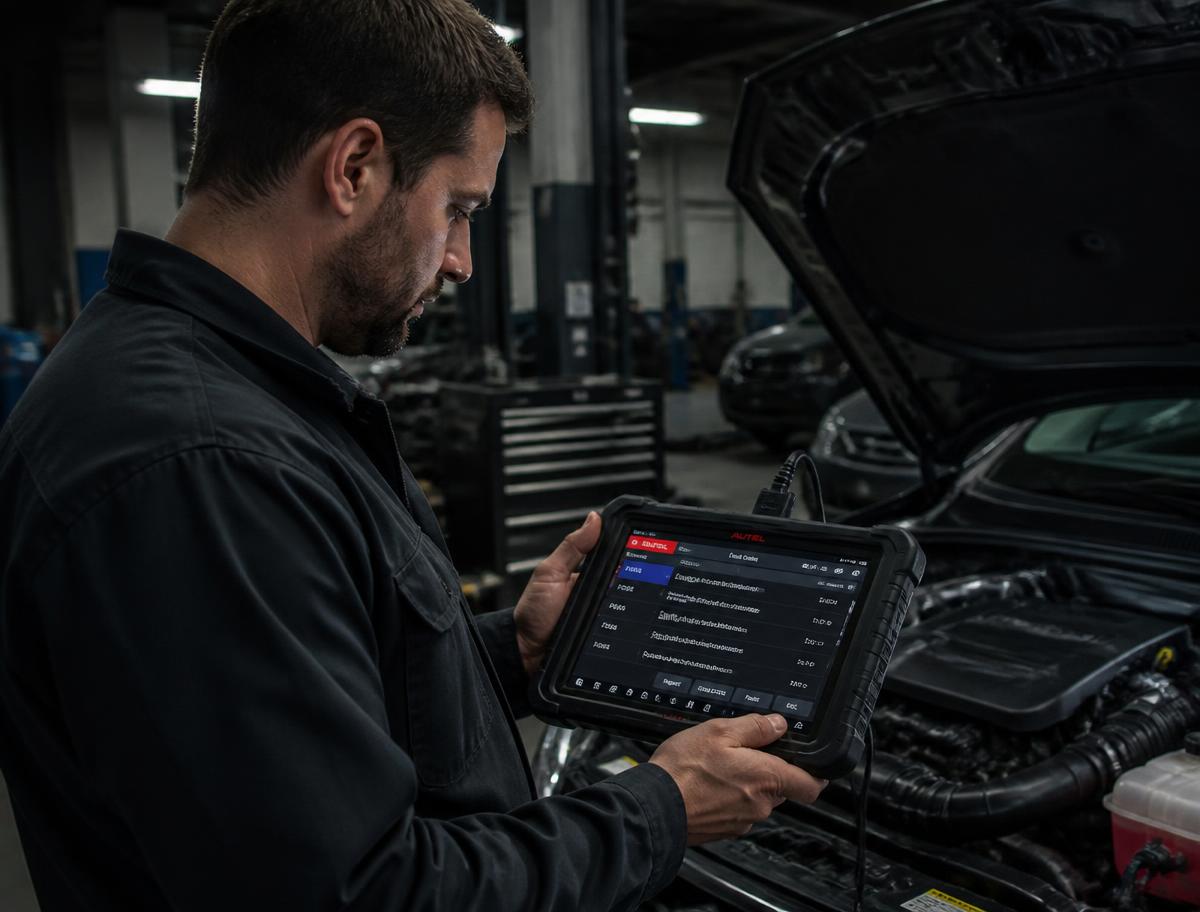
At AVOX Performance, our diagnostic process for a check engine light typically starts with retrieving the stored diagnostic trouble codes (DTCs). However, just pulling a code isn't always enough. A code only tells us *which system* has a problem, not necessarily the exact faulty component. For example, a code for an "EVAP leak" doesn't tell us if it's a gas cap, a hose, or a valve.
That's why proper check engine light diagnostics in Philadelphia involves more than just plugging in a scanner. Our skilled technicians will:
1. Retrieve DTCs: Use a professional-grade scanner to read the codes.
2. Research Technical Service Bulletins (TSBs): Check for known issues for your specific make and model.
3. Perform Visual Inspection: Look for obvious problems like loose hoses, frayed wires, or a loose gas cap.
4. Live Data Analysis: Monitor sensor readings in real-time to pinpoint irregularities.
5. Circuit Testing: Use multimeters and oscilloscopes to test electrical components.
6. Physical Testing: For example, a smoke machine for EVAP leaks, or compression tests for engine misfires.
A thorough diagnostic process typically ranges from $90 to $180, depending on the complexity of the issue and the time required to accurately pinpoint the root cause. This investment is crucial because it prevents guesswork, which can lead to unnecessary repairs and wasted money.
The Cost of Repair
Once we've diagnosed the exact problem, we can provide you with a precise, upfront quote for the repair. The cost varies dramatically based on the underlying issue:
- Loose Gas Cap: Free (if you tighten it yourself) or minimal labor if we find it.
- Oxygen Sensor Replacement: ~$150 - $400 (parts and labor).
- Spark Plugs/Ignition Coils: ~$200 - $600+ (depending on the number of cylinders and accessibility).
- Mass Airflow Sensor Replacement: ~$200 - $450 (parts and labor).
- Vacuum Leak Repair: ~$100 - $500 (depending on the location and complexity of the leak).
- Catalytic Converter Replacement: This is usually the most expensive, often ranging from $1,000 to $3,000+ (parts and labor), sometimes even more for certain vehicles.
Remember, a flashing check engine light that leads to catalytic converter damage will cost you significantly more than addressing a simple misfire early on.
Why Choose AVOX Performance for Your Check Engine Light in Northeast Philadelphia?
When your check engine light comes on, you want an honest, reliable shop. Here's why AVOX Performance is the right choice for check engine light diagnostics and repair:
- We Physically Show You Every Fault: No guessing games. We'll bring you into the shop and show you exactly what's wrong.
- Fair, Upfront Quotes: You'll know the cost before any work begins.
- Mechanical Warranty: We stand behind our work, giving you peace of mind.
- Transparent Inspections: Our free transparent inspection helps catch issues before they become major problems.
- 15% Off Your First Visit: A great way to experience our service for less.
Don't let that little light intimidate you. Get it checked out promptly by the experts at AVOX Performance, serving Northeast Philadelphia, Willow Grove, Feasterville, Horsham, and Jenkintown.
Ready to Get That Light Off Your Dashboard?
If your check engine light is on, don't delay. Driving with a check engine light on can lead to reduced fuel economy, increased emissions, further damage to your vehicle, and potentially costly breakdowns.
Call Egor today at (609) 435-7620 or schedule your appointment online! Let us accurately diagnose the issue and get you back on the road safely and efficiently.
Want this checked on your car?
First-time customers save 15% and get a free transparent inspection — we show you every fault we find.