Engine Overheating: Your Car's Red Flag and How to Avoid a Crisis in Northeast Philadelphia
Few dashboard warning lights inspire as much dread as the temperature gauge spiking into the red or the "Engine Overheat" indicator blinking. An overheating engine isn't just an inconvenience; it's a serious problem that can quickly lead to catastrophic damage and incredibly expensive repairs, potentially even requiring a complete engine replacement.
At AVOX Performance in Northeast Philadelphia, we understand the worry that comes with engine troubles. Our goal is to educate our community, from Willow Grove to Feasterville, and from Horsham to Jenkintown, so you can catch issues early, understand the causes, and most importantly, know how to prevent a total engine meltdown.
Let's dive into why your engine might be running hot, what it could cost you, and critical steps to take to protect your investment.
What Causes an Engine to Overheat?
Your car's engine generates a lot of heat during operation. The cooling system's job is to manage this heat, keeping the engine at its optimal operating temperature. When something goes wrong with this system, heat builds up, and your engine starts to overheat.
Here are the most common culprits:
- Low Coolant Levels: This is often the simplest and most frequent cause. Coolant (or antifreeze) circulates through the engine, absorbing heat. If there isn't enough, it can't do its job. Leaks in hoses, the radiator, or the water pump can lead to low coolant.
- Failing Radiator: The radiator dissipates heat from the coolant into the air. If it's clogged (internally from rust/sediment or externally from debris like leaves and bugs) or has a leak, it can't cool the fluid effectively.
- Malfunctioning Thermostat: The thermostat regulates coolant flow. If it gets stuck closed, coolant can't circulate to the radiator, trapping heat in the engine. If it's stuck open, the engine might run too cool, but it can also cause overheating in stop-and-go traffic if it doesn't open properly at higher temperatures.
- Broken Water Pump: The water pump circulates coolant throughout the engine. If its impeller is corroded, or its bearings fail, it can't move coolant, leading to rapid overheating.
- Cooling Fan Issues: Your car's cooling fan (or fans) pull air through the radiator, especially when the car is stationary or moving slowly. If a fan motor fails, a fuse blows, or a sensor isn't activating it, the radiator won't get enough airflow.
- Blown Head Gasket: This is one of the more serious causes. The head gasket seals the combustion chambers and prevents coolant and oil from mixing. If it fails, combustion gases can leak into the cooling system, creating excessive pressure and heat, or coolant can leak into the cylinders or oil system.
- Clogged Heater Core: While primarily affecting your cabin heat, a severely clogged heater core can sometimes impede overall coolant flow, contributing to overheating.
The Cost of Engine Overheating: From Minor Fix to Major Rebuild
The financial impact of engine overheating can vary wildly depending on the cause and how quickly it's addressed.
- Minor Repairs (Draining & Flushing, Thermostat Replacement): If caught early, a simple fix like topping off coolant, repairing a small hose leak, or replacing a stuck thermostat might only cost a few hundred dollars.
- Mid-Range Repairs (Radiator, Water Pump, Cooling Fan): Replacing components like the radiator, water pump, or cooling fan assembly can range from $500 to $1,500+, depending on the vehicle's make and model, and labor rates.
- Major Repairs (Blown Head Gasket): A blown head gasket is a significant repair, often ranging from $1,500 to $3,000+. This involves extensive labor to remove components, machine the cylinder head (if warped), and replace the gasket.
- Catastrophic Damage (Engine Rebuild/Replacement): If the engine overheats severely and for too long, it can lead to warped cylinder heads, cracked engine blocks, or melted pistons. At this point, you're looking at a full engine rebuild or replacement, which can easily cost $4,000 to $8,000+, sometimes even more than the car is worth.
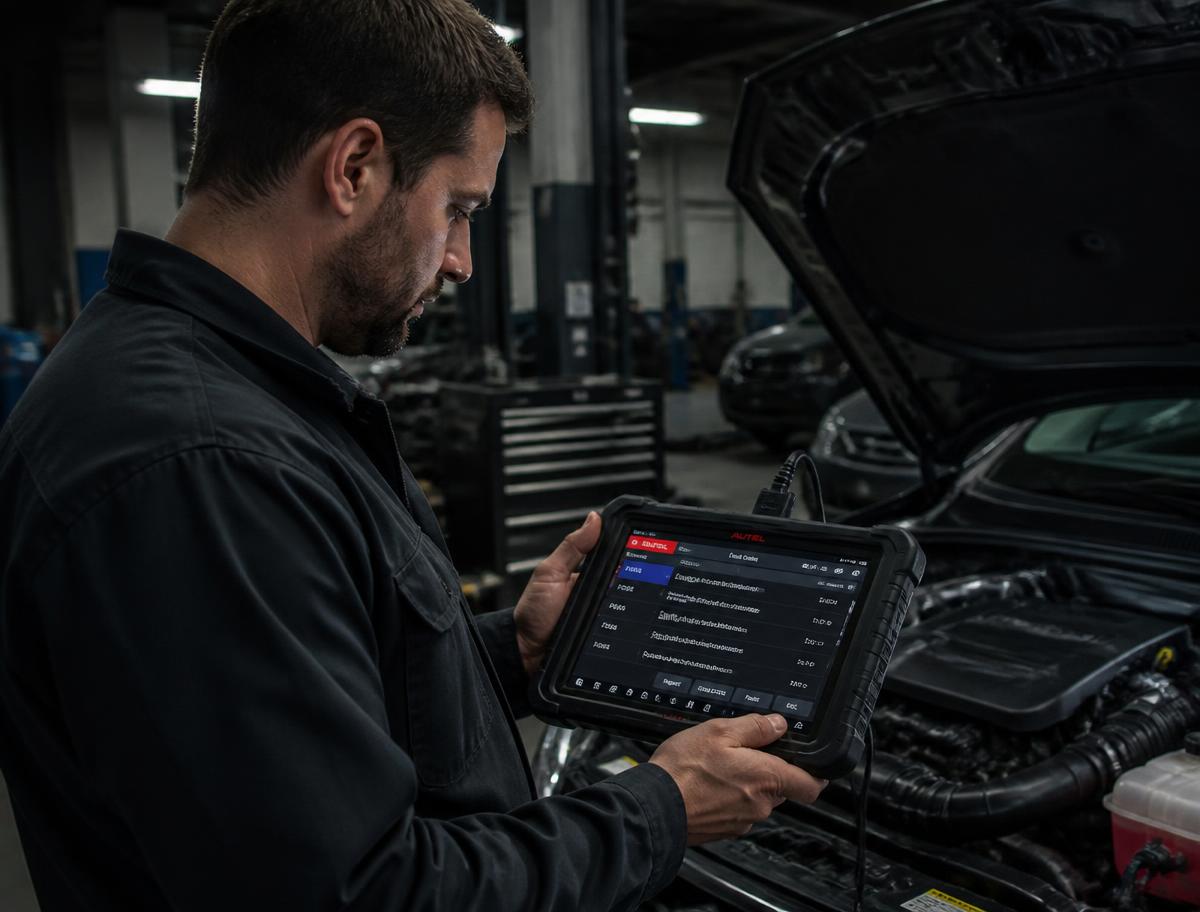
This is why early detection and immediate action are crucial when you suspect your engine is overheating. When you visit AVOX Performance for engine repair in Northeast Philadelphia, we provide fair, upfront quotes and physically show you every fault before any work begins, so you understand exactly what needs to be done.
How to Avoid a Costly Engine Rebuild
The best defense against a blown engine due to overheating is proactive maintenance and swift action at the first sign of trouble.
1. Monitor Your Temperature Gauge: Make it a habit to glance at your dashboard temperature gauge. If it starts to climb above its normal operating range, investigate immediately.
2. Regular Coolant Checks: Check your coolant reservoir regularly (when the engine is cool) to ensure it's at the correct level. If it's consistently low, you likely have a leak that needs addressing.
3. Adhere to Maintenance Schedule: Follow your car manufacturer's recommended maintenance schedule, especially for coolant flushes and inspections of cooling system components. Old, degraded coolant loses its ability to transfer heat and can cause corrosion.
4. Listen and Look for Leaks: Keep an eye out for puddles under your car (especially green, pink, or orange liquid), and listen for unusual noises like whining (from a failing water pump) or bubbling.
5. Don't Ignore Warning Lights: If the "Check Engine" light comes on, or a temperature warning appears, don't put it off. Get it checked out by a professional.
6. Immediate Action if Overheating:
- Pull Over Safely: As soon as you see the gauge go into the red, pull over to a safe location and turn off the engine.
- DO NOT Open the Radiator Cap: The cooling system is under high pressure and temperature. Opening the cap can release scalding steam and coolant, causing severe burns.
- Wait for it to Cool: Give the engine at least 20-30 minutes to cool down before attempting to check anything.
- Call for Help: If you're unsure what to do, or if the problem seems serious, call for roadside assistance or a trusted mechanic.
Your Trusted Partner for Engine Repair in Northeast Philadelphia
Dealing with an overheating engine can be daunting, but you don't have to face it alone. At AVOX Performance, we specialize in comprehensive engine repair in Northeast Philadelphia. Our experienced technicians are equipped to diagnose the root cause of your overheating issues and provide honest, transparent solutions.
We believe in empowering our customers. That's why we don't just tell you what's wrong; we physically show you the problem with your engine or cooling system. We offer fair, upfront quotes, backed by a mechanical warranty for your peace of mind. Plus, as a welcome to our community, new customers receive 15% off their first visit, along with a free, transparent inspection.
Don't let a minor overheating issue turn into a major engine crisis. If your car is showing signs of running hot, or if you're due for a cooling system check, we're here to help.
Ready to get your engine running cool and strong?
[Book Your Appointment with AVOX Performance Today!](https://www.avoxperformance.com/contact)
Want this checked on your car?
First-time customers save 15% and get a free transparent inspection — we show you every fault we find.