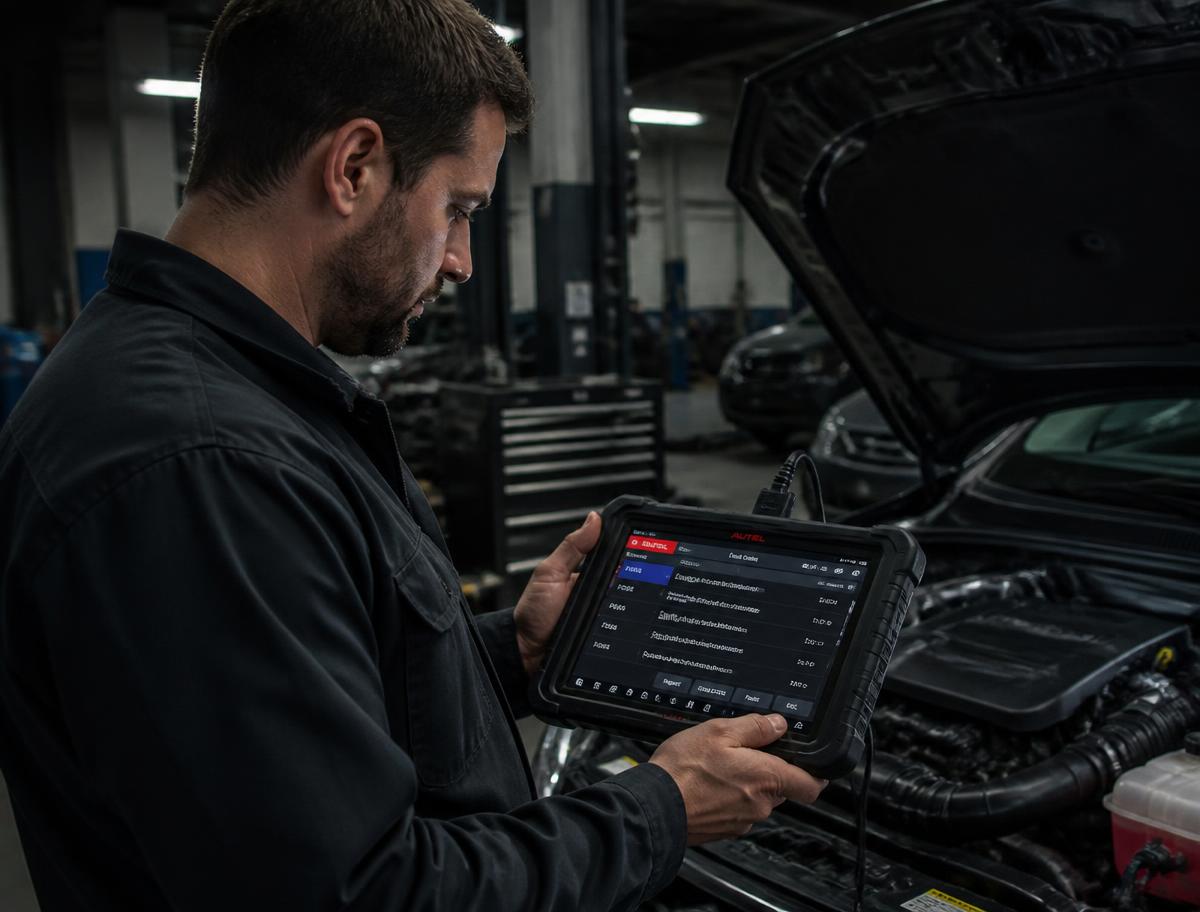
Strange Car Noises Decoded: What Your Vehicle is Trying to Tell You in Philadelphia
Every car has its own symphony of sounds, but when new, unusual notes start to emerge, it's often a sign that something isn't quite right. Ignoring strange car noises can lead to more significant, and more expensive, problems down the road. As your trusted auto repair shop in Northeast Philadelphia, AVOX Performance is here to help you understand what those mysterious sounds might mean and why prompt car noise diagnosis Philadelphia is crucial.
At AVOX Performance, we believe in transparency. That's why we physically show you every fault we find, provide fair upfront quotes, and back our work with a mechanical warranty. Plus, new customers get 15% off their first visit and a free transparent inspection. Let's dive into some common car noises and what they could indicate.
The High-Pitched Squeal: Belt, Brakes, or Bearing?
A squealing noise is one of the most common complaints car owners have, and it can stem from a few different sources.
Under the Hood Squeals
If you hear a high-pitched squeal when you start your car, especially in damp weather, and it changes with engine RPM, it's often a sign of a loose or worn serpentine belt. This belt drives various accessories like your power steering pump, alternator, and air conditioning compressor. A worn belt can slip, creating that tell-tale squeal. If left unattended, a broken belt can leave you stranded.
Braking Squeals
When you apply the brakes and hear a squeal, it's typically an indicator that your brake pads are worn down. Many modern brake pads have built-in "wear indicators" – small metal tabs that make contact with the rotor when the pad material is low, producing that warning squeal. Ignoring this can lead to metal-on-metal contact, damaging your rotors and significantly increasing repair costs. Sometimes, even new brake pads can squeal, which might just be due to composition or needing to be "bedded in." However, it's always best to have it checked.
Bearing Squeals
Less common, but more serious, a squeal that emanates from a wheel area, especially when turning, could indicate a failing wheel bearing. This sound might also be accompanied by a grinding noise.
What to do: Don't ignore a squeal. While sometimes minor, it can signal impending failure of critical components. For accurate car noise diagnosis Philadelphia, bring your vehicle to AVOX Performance.
The Unsettling Grind: Brakes, Transmission, or Drivetrain?
A grinding noise usually suggests metal-on-metal contact, and it's a sound you should never ignore.
Brake Grinding
This is arguably the most common cause of grinding noises. If you hear a harsh, metallic grind when you press the brake pedal, it almost certainly means your brake pads are completely worn out, and the metal backing plates are now scraping against your brake rotors. This not only significantly reduces your braking ability but also causes irreversible damage to the rotors, often requiring their replacement along with the pads.
Transmission Grinding
If you hear grinding when shifting gears (especially in manual transmissions), or if an automatic transmission feels rough or produces a grinding sound, it could indicate issues with the transmission fluid, worn synchronizers, or other internal transmission problems. This is a serious concern that requires immediate professional attention to prevent complete transmission failure.
Wheel Bearing or Drivetrain Grinding
A continuous grinding noise that increases with vehicle speed, often originating from a wheel, can point to a severely worn or failing wheel bearing. If the sound is coming from underneath the vehicle, it could be a U-joint, CV joint, or differential issue in the drivetrain.
What to do: A grinding noise is a red alert. It signifies severe wear or damage. Stop driving your vehicle if possible and have it inspected immediately. Our technicians in Northeast Philadelphia can pinpoint the source.
The Mysterious Clunk: Suspension, Steering, or Exhaust?
Clunking noises are typically indicative of loose, worn, or broken components, often related to your suspension or steering system.
Suspension Clunks
If you hit a bump, drive over uneven pavement, or turn, and hear a dull, heavy clunking sound, it often points to worn suspension components. This could include:
- Worn Shocks or Struts: While they usually create a softer thud, a severely worn strut can cause clunking.
- Loose or Worn Ball Joints: These connect your wheels to your suspension.
- Worn Bushings: Rubber or polyurethane bushings absorb shock and reduce friction. When they wear out, metal-on-metal contact can occur.
- Stabilizer Bar Links/Bushings: These help reduce body roll, and their wear can cause clunking.
Steering Clunks
When turning the steering wheel, if you hear a clunk, it might be an issue with your steering rack, tie rod ends, or even a problem with your power steering system.
Exhaust System Clunks
Occasionally, a loose or broken exhaust hanger can cause your exhaust pipe to hit the undercarriage of the car, producing a clunk, especially when going over bumps or starting/stopping.
What to do: Clunking noises affect your vehicle's handling and safety. Ignoring them can lead to further damage or loss of control. Schedule a suspension inspection with our team in Willow Grove or Feasterville for a thorough diagnosis.
The Persistent Hum: Tires, Bearings, or Drivetrain?
A humming noise can be a bit trickier to pinpoint as it can be subtle and can sometimes be mistaken for road noise.
Tire Hum
Often, a continuous humming sound that changes with speed and road surface can be attributed to your tires. Irregular tire wear (like cupping or feathering), low tire pressure, or even the tread pattern itself can create a humming noise. Rotating or replacing tires can sometimes resolve this.
Wheel Bearing Hum
A humming or growling noise that increases with vehicle speed, and sometimes changes pitch when turning or swerving, is a classic symptom of a failing wheel bearing. This issue requires prompt attention as a completely failed bearing can cause a wheel to seize or even come off.
Drivetrain Hum
If the hum seems to come from the center or rear of the vehicle, particularly at certain speeds, it could be related to components in your drivetrain, such as the differential or transmission. Low fluid levels or worn gears within these components can generate a distinct hum.
What to do: Pay attention to how the hum changes with speed, turning, or acceleration. This can provide valuable clues for diagnosis. For expert car noise diagnosis Philadelphia, our skilled technicians can accurately identify the source.
Why Timely Car Noise Diagnosis Matters
Ignoring strange car noises is like ignoring a persistent cough – it usually gets worse. What might start as a minor, inexpensive fix could quickly escalate into a major repair if left unattended. Early diagnosis can:
- Prevent Further Damage: A worn part can put stress on other components, leading to a chain reaction of failures.
- Improve Safety: Many noise-producing issues (like brakes, suspension, or steering) directly impact your vehicle's safety.
- Save You Money: Addressing problems early is almost always cheaper than waiting until a component completely fails.
Your Trusted Partner for Car Noise Diagnosis in Northeast Philadelphia
Don't play guessing games with your vehicle's health. If you're hearing a squeal, grind, clunk, hum, or any other unusual sound coming from your car, it's time to get it checked by professionals.
At AVOX Performance, serving Northeast Philadelphia, Willow Grove, Feasterville, Horsham, and Jenkintown, our owner Egor and his team are dedicated to providing honest and transparent auto repair. We pride ourselves on physically showing you the problem, giving you fair upfront quotes, and offering a mechanical warranty for your peace of mind.
Ready to silence those strange noises and ensure your vehicle is safe and reliable?
Contact AVOX Performance today for expert car noise diagnosis in Philadelphia! Call us at (609) 435-7620 or book your appointment online. Don't forget your 15% off first visit and free transparent inspection!
Want this checked on your car?
First-time customers save 15% and get a free transparent inspection — we show you every fault we find.