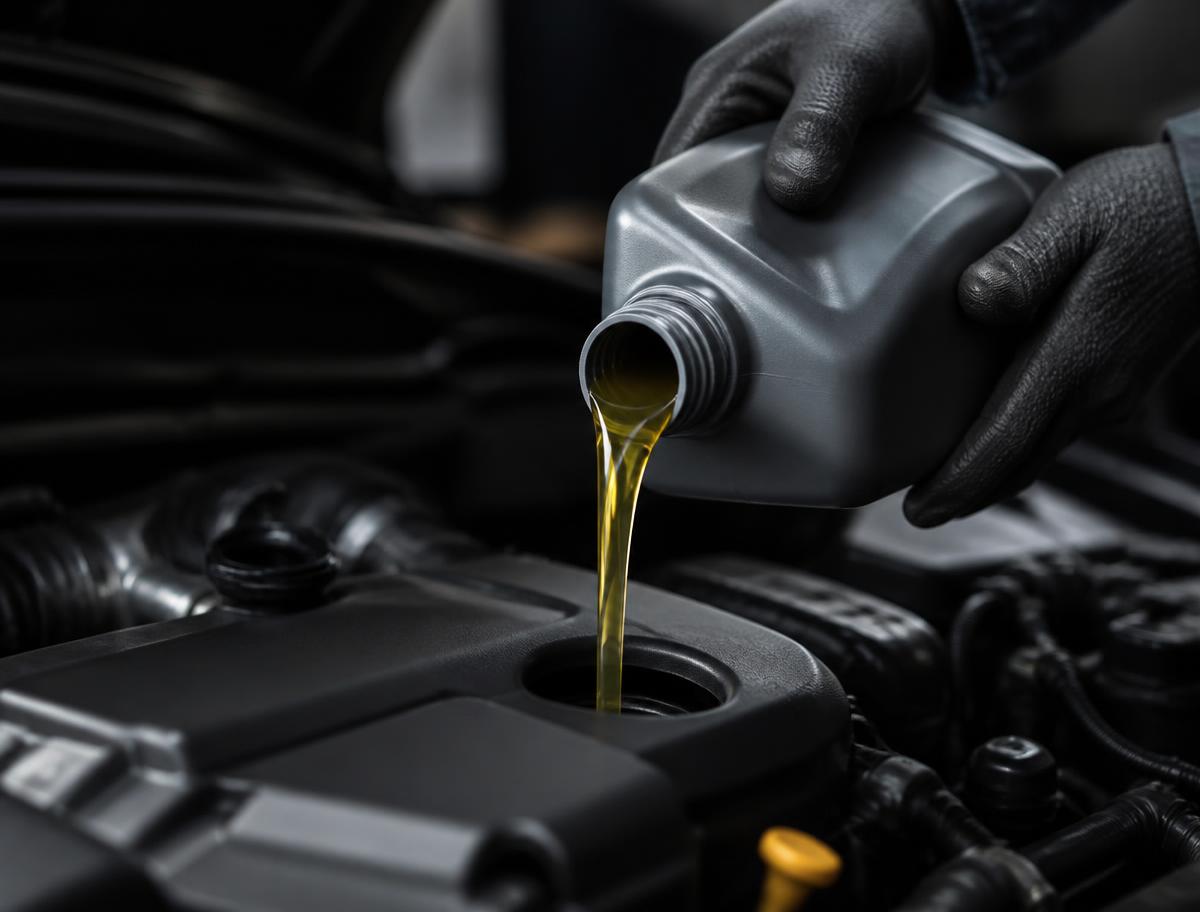
Synthetic vs. Conventional Oil: What's Best for Your Philadelphia Ride?
When it comes to maintaining your vehicle, few tasks are as fundamental as the oil change. But step into any auto parts store or talk to a mechanic, and you’ll quickly realize there's more to it than just "oil." You'll face a choice: conventional oil or synthetic oil? Or perhaps even a blend? For car owners in Northeast Philadelphia, Willow Grove, Feasterville, and surrounding areas, understanding this distinction is key to keeping your vehicle running smoothly and efficiently.
At AVOX Performance, we believe in transparency. That's why we don't just recommend an oil; we explain *why*. Let's break down the differences between synthetic and conventional oil so you can make an informed decision for your vehicle.
The Basics: What's the Difference Between Conventional and Synthetic Oil?
At their core, both conventional and synthetic oils serve the same vital purpose: to lubricate your engine's moving parts, reduce friction, prevent wear and tear, and dissipate heat. Without oil, your engine would quickly seize up, leading to catastrophic damage.
The main difference lies in how they are produced and their chemical composition.
Conventional Motor Oil
Conventional oil, also known as mineral oil, is derived directly from crude oil through a refining process. It's the traditional choice that has lubricated engines for decades.
Pros:
- Cost-Effective: Generally much cheaper per quart than synthetic oil.
- Widely Available: Easy to find at any auto parts store or service center.
- Suitable for Older Engines: Many older vehicles were designed around conventional oil and may not require the advanced properties of synthetics.
Cons:
- Less Stable at Extreme Temperatures: It breaks down faster under high heat and thickens more in cold weather, offering less protection.
- More Impurities: Contains more impurities, which can lead to sludge buildup over time.
- Shorter Lifespan: Requires more frequent oil changes compared to synthetic oil.
Synthetic Motor Oil
Synthetic oil, on the other hand, is a chemically engineered lubricant. While it often starts with a base of crude oil, it undergoes a far more advanced and controlled chemical process to purify it and give it superior molecular uniformity. This engineering allows manufacturers to tailor its properties for specific performance benefits.
Pros:
- Superior Protection: Provides much better lubrication and protection against wear, especially during cold starts and under extreme heat.
- Extended Oil Change Intervals: Lasts significantly longer than conventional oil, often allowing for longer periods between changes (always check your car's manual!).
- Improved Fuel Economy: Reduced friction can lead to a slight improvement in fuel efficiency.
- Cleaner Engine: Resists sludge and deposit buildup more effectively, keeping your engine cleaner.
- Better Performance in Extreme Temperatures: Flows better in freezing temperatures and maintains viscosity under intense heat.
Cons:
- Higher Upfront Cost: Synthetic oil is more expensive per quart than conventional.
- Not Always Necessary: For some older or low-mileage vehicles, the extra benefits might not justify the cost.
What About Synthetic Blends?
Falling somewhere in the middle, synthetic blend oil (also known as semi-synthetic oil) is a mix of conventional and synthetic base oils. It offers some of the benefits of synthetic oil, like better high-temperature performance and wear protection, but at a more affordable price point than full synthetic. It's a good middle-ground option for vehicles transitioning from conventional or those that need a bit more protection than mineral oil can offer.
Which Oil Does Your Car Actually Need?
This is the million-dollar question, and the answer isn't always straightforward. It depends on several factors:
1. Your Vehicle's Manufacturer Recommendation: This is the most crucial factor. Your car's owner's manual will specify the type of oil (conventional, synthetic blend, or full synthetic) and the viscosity grade (e.g., 5W-30) recommended for your engine. Modern vehicles, especially those with turbochargers or direct injection, almost always require full synthetic oil.
2. Driving Conditions:
- Stop-and-Go City Driving (like in Philadelphia!): This is tough on oil. Frequent starting, stopping, and idling create more heat and stress. Synthetic oil holds up better.
- Extreme Temperatures: If you experience very cold winters or hot summers (which we certainly do in our Northeast Philly service area), synthetic oil's stability is a huge advantage.
- Towing/Heavy Loads: Puts extra strain on the engine, making synthetic oil a better choice for added protection.
3. Vehicle Age and Mileage:
- Newer Vehicles: Most modern cars are designed for and often require synthetic oil for optimal performance and to meet warranty requirements.
- Older Vehicles: If your older car has always used conventional oil and runs well, sticking with it might be fine. However, switching to a synthetic blend or even full synthetic can sometimes offer benefits like reduced oil consumption and cleaner engine internals, especially in high-mileage engines. There are even "high-mileage" synthetic oils formulated for older engines.
4. Your Budget: While synthetic costs more upfront, its longer lifespan often means fewer oil changes per year, potentially balancing out the cost. Consider the total cost of ownership, not just the per-quart price.
The Myth of "Once Synthetic, Always Synthetic"
You might have heard that once you switch to synthetic oil, you can never go back to conventional. This is largely a myth. Modern engine oils are fully compatible, and switching between conventional, blend, and full synthetic is generally not a problem. However, if your car *requires* synthetic, you should stick to it.
Why Choose AVOX Performance for Your Synthetic Oil Change in Philadelphia?
At AVOX Performance, we understand that an oil change isn't just about pouring new oil into your engine. It's about providing the right lubrication for your specific vehicle and driving needs, ensuring its longevity and performance.
When you bring your vehicle to our shop in Northeast Philadelphia (convenient for Willow Grove, Feasterville, Horsham, and Jenkintown drivers), you get:
- Expert Advice: Egor and our team will explain the oil recommendations for *your* car, showing you the manufacturer's specifications and discussing your driving habits. We'll help you understand if a synthetic oil change is truly what your Philadelphia car needs.
- Transparent Inspections: We physically show you every fault we find during our free transparent inspection. You'll see exactly why we recommend a certain oil type or service.
- Fair, Upfront Quotes: No surprises. You'll know the cost before any work begins, whether it's for a conventional or full synthetic oil change.
- Quality Products & Service: We use high-quality oils and filters that meet or exceed your manufacturer's specifications.
- Mechanical Warranty: We stand behind our work with a comprehensive mechanical warranty for your peace of mind.
- 15% Off Your First Visit: A great incentive to experience the AVOX difference firsthand!
Don't guess when it comes to your engine's health. Let the experts at AVOX Performance guide you. Whether you need a conventional or synthetic oil change in Philadelphia, we're here to provide honest, top-tier service.
Ready for Your Next Oil Change?
Protect your investment and ensure your car runs efficiently for years to come.
Call AVOX Performance today at (609) 435-7620 to schedule your appointment for a transparent inspection and oil change. Experience auto repair the way it should be!
Want this checked on your car?
First-time customers save 15% and get a free transparent inspection — we show you every fault we find.